
AC Noise Diagnosis: Understanding the Sounds That Could Signal Trouble
An air conditioner should be heard—but it shouldn’t be loud. A gentle rush of air through the vents and the soft hum of the outdoor condenser are signs of a healthy system. When those familiar sounds are replaced by banging, buzzing, screeching, rattling, or clicking, your HVAC system is often trying to warn you that something isn’t working as it should.
Ignoring unusual noises can allow minor issues to develop into major mechanical failures. Many expensive air conditioning repairs begin with a sound that homeowners dismiss for weeks or even months. By understanding what different noises mean and knowing when to call for professional service, homeowners in Lauderhill can often prevent unexpected breakdowns while extending the life of their cooling system.
Why Air Conditioners Become Noisy
Every air conditioning system contains moving mechanical parts, electrical components, refrigerant lines, and powerful fans. As these components age, wear naturally occurs. Bearings begin to loosen, fasteners vibrate, motors weaken, and electrical devices can fail after years of operation.
Environmental factors also play a role. South Florida’s heat, humidity, heavy rain, and nearly year-round cooling season place significant demands on HVAC equipment. Because systems operate so frequently, normal wear develops faster than it might in cooler climates.
The good news is that many noise-related problems provide an early warning before a complete system failure occurs.
Buzzing Sounds May Indicate Electrical Problems
A constant buzzing noise is one of the most common complaints homeowners report.
Buzzing often points toward an electrical issue within the outdoor condenser unit. A failing capacitor, worn contactor, loose electrical connection, or damaged relay may all create buzzing sounds while attempting to start the compressor or fan motor.
In some cases, buzzing may also indicate that debris has become lodged inside the condenser fan or that refrigerant pressures are abnormal.
Because electrical problems can worsen quickly, persistent buzzing should always be inspected by an HVAC professional rather than ignored.
Rattling Usually Means Something Has Come Loose
A rattling air conditioner rarely fixes itself.
Over time, the constant vibration produced by HVAC equipment can loosen screws, mounting brackets, access panels, or fan components. Twigs, leaves, and small debris may also become trapped inside the outdoor unit after storms.
If left unattended, what begins as a harmless rattle may eventually damage fan blades, motors, or electrical wiring.
Professional inspections identify loose components before vibration creates more extensive repairs.
Banging or Clanking Requires Immediate Attention
Few HVAC sounds are more concerning than a loud metallic banging or clanking noise.
These sounds often indicate that an internal mechanical component has broken or become detached.
Possible causes include:
- A loose blower wheel.
- Broken compressor components.
- Damaged connecting hardware.
- A failing motor assembly.
Bent fan blades striking nearby components.
Because continued operation may create catastrophic equipment damage, homeowners should turn the system off and schedule service immediately whenever loud banging develops.
Squealing Often Points to Motor Problems
Although modern air conditioners no longer use the belts found in older HVAC equipment, squealing noises remain relatively common.
High-pitched squeals often occur when motor bearings begin wearing out or when blower motors struggle to operate under increased resistance.
In some situations, restricted airflow caused by dirty filters or blocked coils forces blower motors to work harder, contributing to bearing wear.
Addressing squealing early may allow individual components to be replaced before complete motor failure occurs.
Clicking Sounds: Normal or Cause for Concern?
A brief clicking sound when the air conditioner starts or stops is completely normal.
The thermostat activates electrical controls, causing relays and contactors to engage as part of the normal operating cycle.
However, continuous clicking without the system starting usually signals an electrical problem.
Repeated clicking may indicate:
- A defective thermostat.
- A failing contactor.
- A weak capacitor.
Control board communication problems.
Voltage supply issues.
If clicking continues while the system refuses to run, professional diagnosis is recommended.
Whistling and Airflow Noises
Not every unusual sound originates from the air conditioners itself.
Whistling, hissing, or rushing air may indicate airflow restrictions within the duct system.
Common causes include:
- Dirty air filters.
- Closed supply registers.
- Undersized return air ducts.
- Leaking ductwork.
- Obstructions inside vents.
Poor airflow forces the blower motor to work harder while reducing overall cooling performance.
Correcting airflow problems not only eliminates unwanted noise but also improves energy efficiency and indoor comfort.
When Hissing Could Mean a Refrigerant Leak
A soft hissing sound near refrigerant lines deserves prompt attention.
Although airflow moving through ductwork sometimes creates harmless hissing noises, refrigerant escaping through a damaged line can produce a similar sound.
Refrigerant leaks reduce cooling performance while forcing the compressor to work harder. Over time, operating with low refrigerant may lead to compressor failure—one of the most expensive HVAC repairs.
Because refrigerant systems require specialized equipment and EPA-certified handling procedures, leak diagnosis and repair should always be performed by qualified HVAC technicians.
How Professional AC Noise Diagnosis Works
Finding the source of an HVAC noise requires much more than simply listening to the equipment.
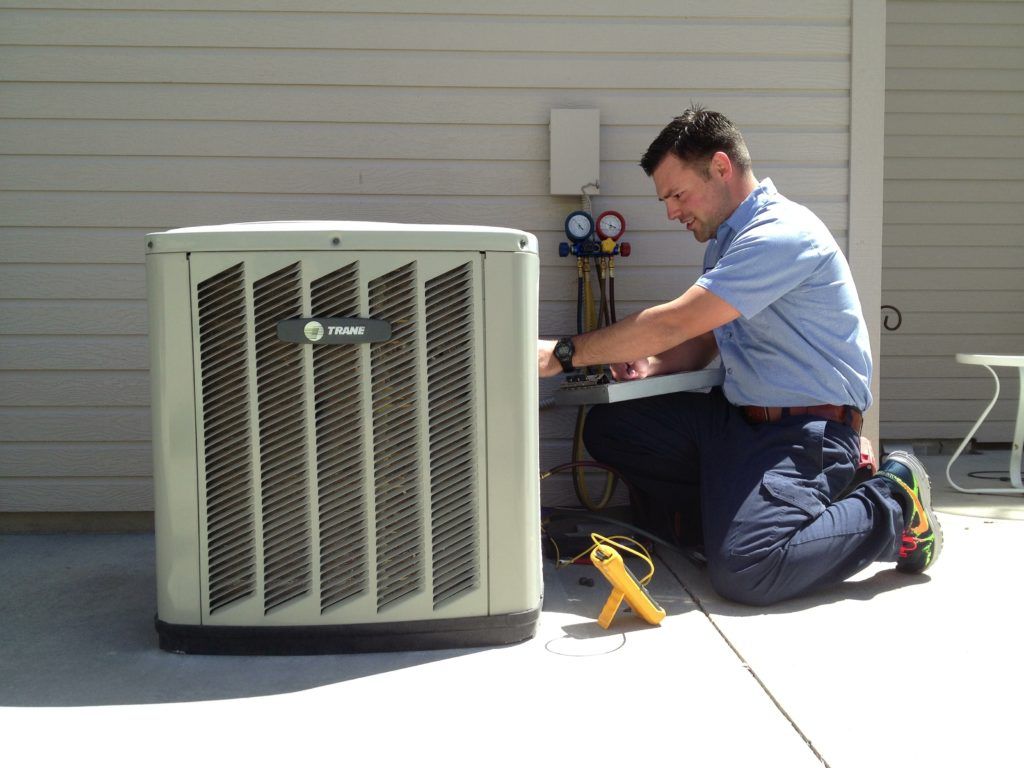
Experienced technicians inspect the entire cooling system while evaluating operating conditions under normal load.
During diagnosis, they may:
- Measure motor amperage.
- Inspect capacitors and contactors.
- Check compressor operation.
- Examine blower assemblies.
- Evaluate refrigerant pressures.
- Inspect fan blades.
- Tighten mounting hardware.
Assess ductwork for airflow restrictions.
This systematic approach identifies not only the noise itself but also the underlying condition responsible for it.
Preventative Maintenance Helps Keep Systems Quiet
Routine HVAC maintenance is one of the most effective ways to prevent unusual air conditioner noises.
Annual inspections allow technicians to lubricate moving parts where applicable, tighten electrical connections, inspect motors, clean condenser coils, replace worn components, and identify developing problems before they become noticeable.
Regular maintenance also helps preserve system efficiency, reduce energy consumption, and extend equipment lifespan.
For homeowners in Lauderhill, preventative service is particularly valuable because air conditioning systems operate through much of the year.
When Should You Call an HVAC Professional?
Some HVAC noises require immediate attention, while others allow time for scheduled service.
If your air conditioner begins producing loud banging, repeated buzzing, constant clicking, screeching, or hissing accompanied by poor cooling performance, shutting the system down and arranging professional service is the safest course of action.
Continuing to operate a noisy system often increases repair costs by allowing damaged components to place additional stress on surrounding parts.
Early diagnosis typically results in simpler, less expensive repairs and helps restore dependable cooling more quickly.
Conclusion
Every unusual sound your air conditioner makes tells a story. Buzzing may point to electrical concerns, rattling often signals loose hardware, banging can indicate serious mechanical damage, and hissing may reveal airflow or refrigerant problems. Paying attention to these warning signs gives homeowners the opportunity to address issues before they develop into major breakdowns.
For homeowners in Lauderhill, professional AC noise diagnosis provides peace of mind by identifying the exact cause of unusual sounds and recommending the most effective repair solution. Combined with regular preventative maintenance, prompt attention to new noises helps keep your HVAC system running quietly, efficiently, and reliably throughout South Florida’s long cooling season.

(561) 409-5100
(561) 990-3360

Submit your review | |